Updated May 5, 2026. I wrote this guide for homeowners, property managers, and facilities teams who want a practical way to compare whole-house filtration and water softening without overbuying equipment.
If your fixtures collect scale, your water smells like chlorine, or your appliances seem to age too fast, the right answer is usually not “buy the biggest system.” It is understanding exactly what is in your water, what problem you are trying to solve, and which treatment stages belong in the line.
Most people who search for a whole-house water filter and softener are really asking four questions at once: What is causing the water problem? Do I need filtration, softening, or both? How large should the system be? And how do I avoid paying for features that will not make a visible difference? Those are reasonable questions, especially when the symptoms overlap. Hard water can leave mineral scale and make soap harder to rinse, while sediment, chlorine, sulfur odors, or dissolved contaminants call for different treatment steps. The U.S. Geological Survey explains that hard water is driven mainly by calcium and magnesium, and the CDC recommends testing well water regularly before choosing treatment equipment.
I like to start with the simplest truth: a water softener and a water filter do different jobs. A filter is meant to remove or reduce specific things in the water stream such as sediment, chlorine, taste and odor compounds, or in some cases specialty contaminants. A softener is meant to reduce hardness minerals that create scale and interfere with soap performance. If you remember that distinction, every buying decision becomes easier.
By the end of this article, you will have a straightforward framework for deciding whether you need a sediment filter, carbon filter, softener, or a staged combination system. You will also have a checklist for sizing, maintenance, installation order, and the warning signs that tell you to test first instead of guessing.
What “Whole-House Filter and Softener” Really Means
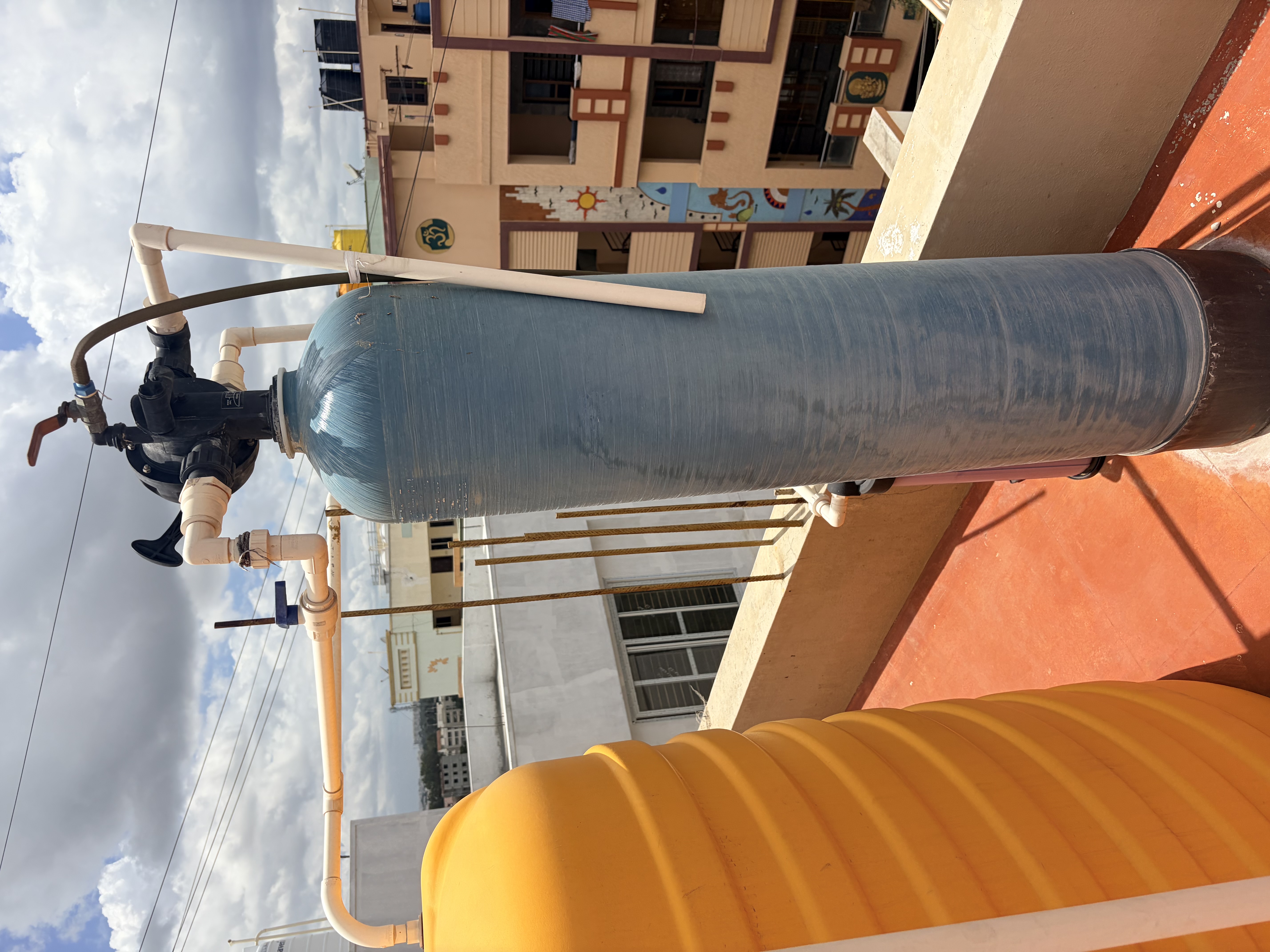
When I use the phrase whole-house water filter and softener, I mean a treatment setup installed near the point where water enters the building so that treated water can serve most or all fixtures. In practice, that setup is usually made of separate components working together rather than one magical box that fixes every issue.
Typical whole-house components include:
- Sediment prefilter: catches sand, rust, scale particles, and debris before they reach valves and media tanks.
- Activated carbon stage: reduces chlorine, some odors, and some taste issues common in municipal water.
- Water softener: uses ion exchange resin to reduce hardness minerals that form scale on fixtures and appliances.
- Specialty treatment stage: may be needed for iron, manganese, sulfur odor, tannins, or other source-specific issues.
- Point-of-use add-on: sometimes owners still install reverse osmosis at a kitchen sink for drinking water while keeping whole-house treatment focused on plumbing protection and comfort.
That distinction matters because the system that works well for city water with moderate hardness and chlorine residual is not the same as the system that works for a private well with sediment, iron, sulfur smell, and changing seasonal conditions.
Start With Symptoms, Then Confirm With Testing
The fastest way to waste money is to diagnose water issues by feel alone. Soap that does not rinse well often points to hardness. White scale on shower doors and kettle elements also points to hardness. Brown or reddish staining can suggest iron. A chlorine smell may suggest a need for carbon filtration. Cloudy water may be air, sediment, or suspended particles. A rotten-egg smell often points to sulfur-related issues. Those clues are useful, but they are not a substitute for testing.
If you are on a private well, testing is even more important. The CDC notes that private well owners are responsible for monitoring their own water, and that annual testing for core indicators is a sensible baseline. For municipal water, your local water quality report is still worth reviewing, but I would not rely on a system brochure to tell you what your own plumbing needs.
Before shopping, gather these basics:
- Hardness level
- Iron and manganese, if applicable
- pH
- Total dissolved solids
- Chlorine or chloramine use, if on city water
- Sediment concerns or visible particulate issues
- Peak household flow expectations, including showers, laundry, irrigation bypass needs, and high-demand fixtures
The rule I trust most is simple: test first, then match equipment to a specific problem list. That keeps the conversation grounded in evidence instead of marketing language.
Filter vs. Softener: What Each One Solves
People often combine these products in conversation because both improve day-to-day water use, but they solve different pain points.
| Problem | Typical Signs | Best Treatment Direction |
|---|---|---|
| Hard water | Scale on fixtures, spotty glass, reduced soap lather, appliance buildup | Water softener or verified scale-control approach |
| Sediment | Cloudiness, grit, clogged aerators, dirty cartridge filters | Sediment prefilter |
| Chlorine taste or odor | Swimming-pool smell, unpleasant taste | Activated carbon filtration |
| Iron or manganese | Orange, brown, or black staining | Source-specific oxidation and filtration or specialty media |
| Drinking-water polishing | Taste goals or contaminant concerns at one faucet | Point-of-use reverse osmosis in addition to whole-house treatment |
The reason this matters is that a carbon filter does not “soften” hard water in the normal sense, and a standard softener does not remove sediment or chlorine by itself. If you buy one expecting it to do the other job, you will think the system failed when the real problem was system design.
Common Whole-House System Layouts
Most good installations follow a logical order. The exact layout depends on the water profile, but these are the patterns I see most often.
1. City Water With Hardness and Chlorine
A common layout is sediment prefilter, then carbon filtration, then softener. The sediment stage protects the rest of the equipment. The carbon stage improves taste and odor while reducing chlorine exposure to downstream components. The softener then handles hardness for the rest of the house.
2. Well Water With Sediment and Hardness
For well systems, the first priority is usually testing and source-specific treatment. Sediment removal often comes first. If iron, manganese, or sulfur are present, a specialty stage may be needed before or alongside softening. A standard softener can sometimes help with low iron levels, but it is not a universal iron solution.
3. Whole-House Protection Plus Drinking Water Polish
Some owners want scale control and better water throughout the building, but they reserve high-purity treatment for cooking and drinking. In that case, a whole-house system handles the main line and a point-of-use reverse osmosis unit serves the kitchen sink.
The important point is that “combo system” should describe sequenced treatment stages, not vague promises.
How To Size a Whole-House Filter and Softener
Sizing is where many otherwise good purchases go wrong. A system that is too small can create pressure loss, frequent regeneration, or media exhaustion. A system that is oversized may cost more upfront without solving a real usage problem. I recommend evaluating four sizing factors together.
Flow Rate
Count how many water-using fixtures may run at the same time. Two showers, a dishwasher, and a washing machine can create a very different demand profile than one person in a small home. Treatment equipment should support a realistic peak flow rate, not just an average day.
Hardness Load
Softener sizing is not only about gallons per day. It is also about the hardness level in the incoming water. Higher hardness means the resin does more work and reaches regeneration sooner.
Media Capacity
Carbon tanks, sediment housings, and specialty media all have service life and pressure-drop characteristics. The cheapest cartridge may create more maintenance and frustration than a better-sized tank.
Service Access
Leave room for maintenance, drain routing, bypass valves, and shutoff access. This sounds basic, but it becomes critical the first time a cartridge needs replacement or a control head needs service.
Here is a practical buying checklist I would use before approving a system:
- Confirm a recent water test.
- Estimate peak simultaneous flow, not just occupancy.
- Ask what each stage is meant to remove or reduce.
- Check pressure-drop expectations at that flow.
- Ask how often maintenance is expected under your water conditions.
- Confirm drain, power, and installation requirements.
- Review warranty limits and what maintenance is required to keep coverage valid.
When a Softener Makes Sense
A dedicated softener is the right conversation when your biggest problem is scale. If your shower doors haze over quickly, faucets build white crust, dishware spots easily, and hot-water appliances seem to fight mineral buildup, then hardness is usually worth addressing directly. The USGS notes that hard water is associated with calcium and magnesium, and those minerals are exactly what ion-exchange softeners are designed to manage.
Softening is often less about making water feel luxurious and more about protecting what the water touches. Water heaters, dishwashers, coffee equipment, humidifiers, and plumbing fixtures all benefit when scale pressure is reduced. In homes with moderate to high hardness, that can matter more than any taste improvement.
That said, softening is not automatically the answer for every complaint. If the real issue is chlorine taste, sediment, sulfur odor, or a contaminant concern identified by testing, you still need the appropriate filtration stage.
When Filtration Deserves Priority
If the first thing people notice is smell, visible particles, staining, or an unpleasant taste, filtration should move to the front of the conversation. A well-chosen filter stage can improve water aesthetics, reduce nuisance particles, and protect downstream equipment. It can also make a softener work more predictably by reducing debris and oxidants that shorten component life.
Filtration deserves priority when:
- You can see sediment in the water or in aerators.
- You are on municipal water and want to reduce chlorine taste and odor.
- Your testing shows source-specific issues that need specialty media.
- You want to protect plumbing and appliances before focusing on comfort.
In short, if the water itself looks, smells, or tastes off, filtration usually needs to be part of the answer whether or not softening is also needed.
Maintenance Reality: The Part Buyers Underestimate
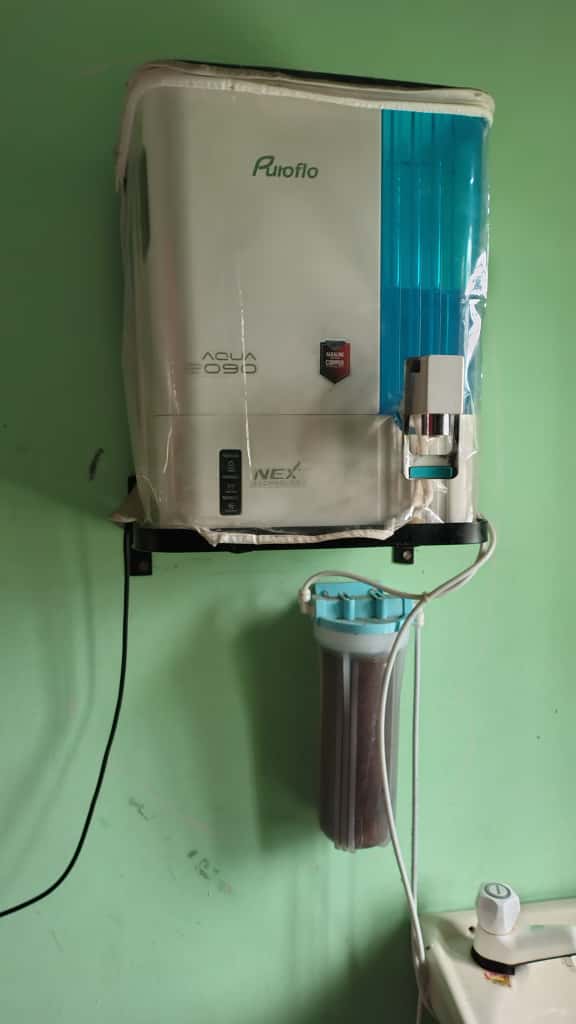
Every treatment system is a maintenance plan, not just an installation. Sediment cartridges clog. Carbon media exhausts. Softeners need salt and occasional cleaning or service. Specialty media has a service life. If you buy a system without understanding the maintenance schedule, the nicest brochure in the world will not save the ownership experience.
I prefer asking three plain questions before purchase:
- What routine maintenance happens monthly, quarterly, annually, and every few years?
- What parts are owner-serviceable and what usually needs a technician?
- What does neglect look like in the real world: pressure loss, odor return, staining, salt bridging, or premature valve wear?
Those answers tell you much more than a generic claim that the system is “low maintenance.”
Three Example Buying Scenarios
Scenario A: Municipal Water, Noticeable Hardness, No Major Contaminant Concern
If the water report is otherwise acceptable and the daily frustrations are scale, spots, and chlorine smell, a combination of sediment filtration, carbon filtration, and softening is often a practical fit. This setup focuses on plumbing comfort, fixture protection, and taste improvement.
Scenario B: Private Well, Sediment and Iron Staining
I would not approve equipment from a generic online bundle without test results. A sediment stage may be necessary, but iron treatment strategy depends on the actual water chemistry. In many cases, a well-specific layout is more important than brand.
Scenario C: Small Business or Hospitality Property
In mixed-use properties, scale control can protect water heaters and guest-facing fixtures, while filtration improves consistency. The right system has to be sized around peak use patterns rather than residential assumptions. Downtime planning also matters more because an equipment failure affects operations, not only comfort.
Mistakes I Would Avoid
- Buying based on one symptom. Scale, odor, and staining can have different causes.
- Skipping testing. This is the most expensive shortcut.
- Ignoring pressure loss. Good treatment should not make the house feel under-supplied.
- Assuming “salt-free” and “softener” mean the same outcome. They do not.
- Forgetting maintenance cost. Cheap equipment can become expensive through cartridges, service calls, or poor durability.
- Installing without a bypass. Service becomes much easier when the layout is built to be maintained.
Questions To Ask Before You Buy
- What test results justify each treatment stage?
- What flow rate can the system support without noticeable pressure drop?
- What exactly will the filter remove or reduce?
- How often will cartridges, media, or resin need attention?
- What happens if incoming water conditions change?
- Can the system be serviced without shutting down the whole building for long periods?
- Which warranties apply to valves, tanks, and media separately?
Keep the Project Organized After Installation
One part of ownership that rarely gets enough attention is documentation. Once the equipment is installed, I recommend keeping a simple record of test results, filter changes, softener settings, installer notes, bypass valve positions, and warranty contacts. That record helps when a symptom returns months later because you can compare what changed instead of starting from zero.
For small inns, rental properties, and owner-operated businesses, the same discipline applies to vendor communication. Keeping service confirmations, maintenance reminders, and replacement schedules in one place is often more useful than adding another treatment gadget. If your team manages those records online, dependable email hosting and an easy-to-use control panel can make operational follow-up much simpler. Teams that want to build a lightweight internal tracker for service intervals or water-test history may also explore a web app builder instead of maintaining those notes in scattered spreadsheets.
Short FAQ
Do I always need both a filter and a softener?
No. If the only issue is hardness, a softener may be the main requirement. If the main issue is chlorine, sediment, odor, or a specific contaminant concern, filtration may deserve priority. Many buildings need both, but not every building does.
Will a whole-house system fix drinking water quality at every faucet?
It depends on the system design and the problem you are trying to solve. Whole-house treatment is excellent for general plumbing protection, bathing, cleaning, and broad water-quality improvement. For high-purity drinking water goals, many owners still add a point-of-use system at the kitchen sink.
How often should the water be retested?
That depends on your source and local conditions, but private well owners should not treat testing as a one-time event. The CDC’s guidance on well-water testing is a good baseline for annual review and for additional testing whenever taste, odor, color, or nearby site conditions change.
Final Take
If I had to reduce the entire decision to one sentence, it would be this: match the treatment stages to a tested water profile, then size the equipment for your actual building and usage pattern. A whole-house water filter and softener can be an excellent investment when it is designed around the right problem list. It becomes disappointing when it is treated like a universal cure.
The best outcomes usually come from a calm process: test the water, identify the real nuisance or performance issues, choose staged treatment that addresses those issues directly, and confirm the maintenance burden before installation. That is a much better path than chasing broad claims about “better water” without defining what better means for your property.
If you are still comparing options, keep your notes organized around symptoms, test results, flow demands, and maintenance expectations. Those four categories make it much easier to evaluate proposals side by side and reject equipment that sounds impressive but is not actually matched to your water.